

Brookfield homeowners experience frequent and sometimes dramatic weather changes throughout the year. Sudden temperature swings between warm afternoons and cold nights create unique challenges for HVAC systems. These shifts force heating and cooling equipment to operate outside normal patterns, often exposing weaknesses that remain hidden during stable weather. Understanding how these rapid changes affect HVAC performance helps homeowners prepare their systems and avoid unexpected failures.
One of the most common results of sudden weather swings is increased system cycling. When outdoor temperatures rise quickly, homeowners switch to cooling, only to return to heating when temperatures drop again. This constant mode changing strains key components such as compressors, blower motors and relays. Systems that have not been recently serviced may struggle to keep pace. Short cycling, slow starts or uneven heating and cooling often appear during these periods.
Thermostats also struggle during rapid temperature changes. Older or poorly calibrated thermostats may misread indoor conditions or react too slowly. As a result the HVAC system may run longer than necessary or shut off before reaching the desired temperature. These irregular cycles create comfort issues and place additional wear on internal components. Upgrading to a more accurate thermostat helps the system respond more smoothly to fluctuating weather.
Airflow issues become more apparent during weather swings. Filters that have accumulated dust during previous seasons begin to restrict airflow when the system resumes heavy operation. Restricted airflow leads to overheating in heating mode and frozen evaporator coils in cooling mode. Brookfield homeowners often experience weak airflow or temperature imbalance in transitional months. Replacing filters and ensuring vents remain open and unobstructed supports stable airflow.
Refrigerant problems also surface during rapid weather changes. Minor refrigerant leaks that go unnoticed during mild weather become evident when the system must work harder. Homeowners may notice longer cooling cycles, reduced cooling performance or ice forming on refrigerant lines. Low refrigerant forces the system to run inefficiently, increasing energy consumption and stress on the compressor. Addressing leaks early helps prevent more serious failures.
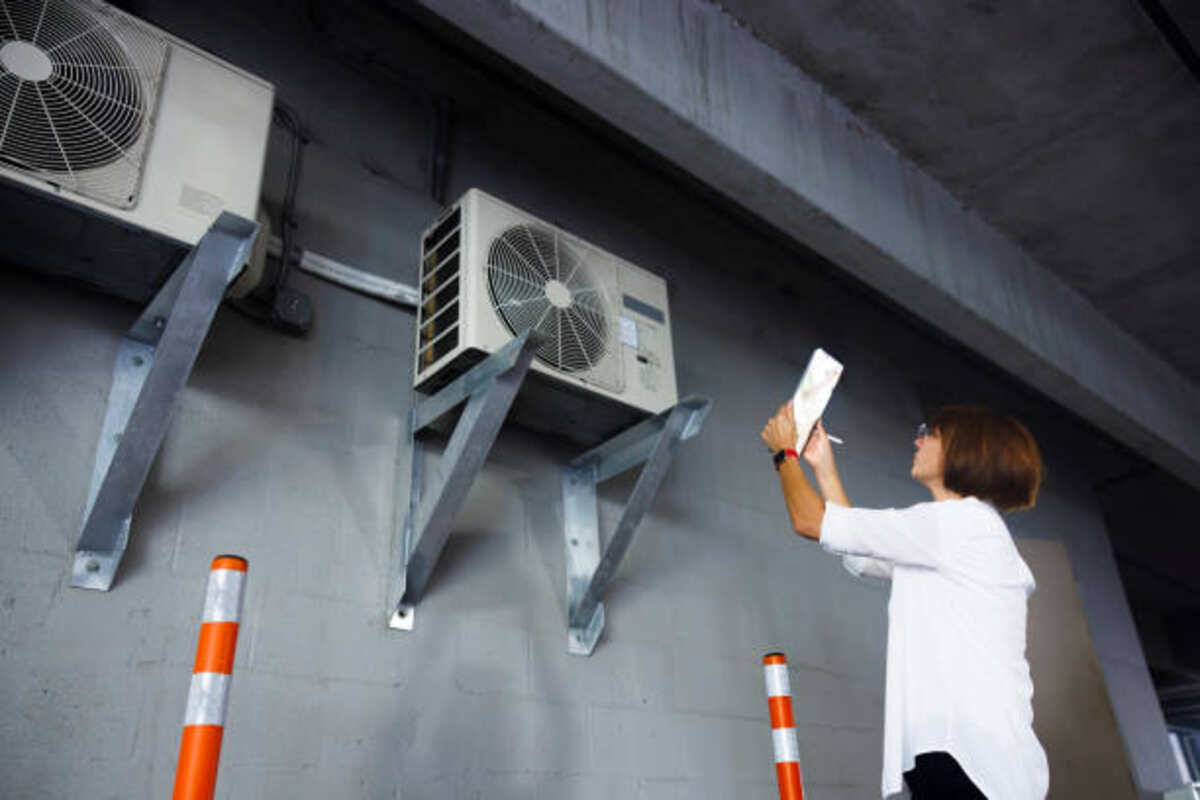
Outdoor units face unique challenges during sudden weather shifts. When temperatures fluctuate quickly, condensation can form and freeze around sensitive components. Dirt and debris carried by wind may also accumulate around the condenser, restricting airflow. These conditions reduce heat exchange efficiency and increase the workload on the system. Clearing debris and ensuring proper airflow around the outdoor unit helps maintain stable performance.
Electrical components are especially vulnerable to temperature swings. Rapid changes in temperature cause expansion and contraction in wiring and connections. Over time this leads to loose contacts, weakened capacitors and intermittent power issues. Homeowners may notice the system stalling, clicking or failing to start. Regular inspection of electrical components helps identify these weaknesses before they result in complete system failure.
Humidity fluctuations further complicate HVAC performance in Brookfield. On warm days humidity may rise quickly, causing the AC system to work harder to remove moisture from the air. When temperatures drop suddenly, condensation may form in ducts or around coils. Poor drainage or restricted airflow can lead to moisture related issues that reduce system efficiency. Ensuring proper drainage and keeping the system clean help maintain stable humidity control.
Older HVAC systems are particularly affected by sudden weather swings. Components such as ignition systems, fans and sensors may have reduced tolerance for rapid operational changes. Homeowners with older units may experience more frequent breakdowns during transitional seasons. Preventive maintenance and timely replacement of aging parts help reduce failures.
Another issue involves duct leakage. Temperature swings create pressure differences inside the home. If ducts have small leaks, these differences become more noticeable, reducing efficiency and causing temperature imbalance. Sealing ductwork improves airflow and helps the HVAC system maintain consistent comfort.
Scheduling regular maintenance is the most effective way to protect an HVAC system from weather related stress. Cleaning coils, checking refrigerant, tightening electrical connections and testing airflow help the system adapt to sudden weather changes. Freedom Breeze technicians assist Brookfield homeowners by preparing their HVAC systems for unpredictable weather and restoring performance when issues arise
