


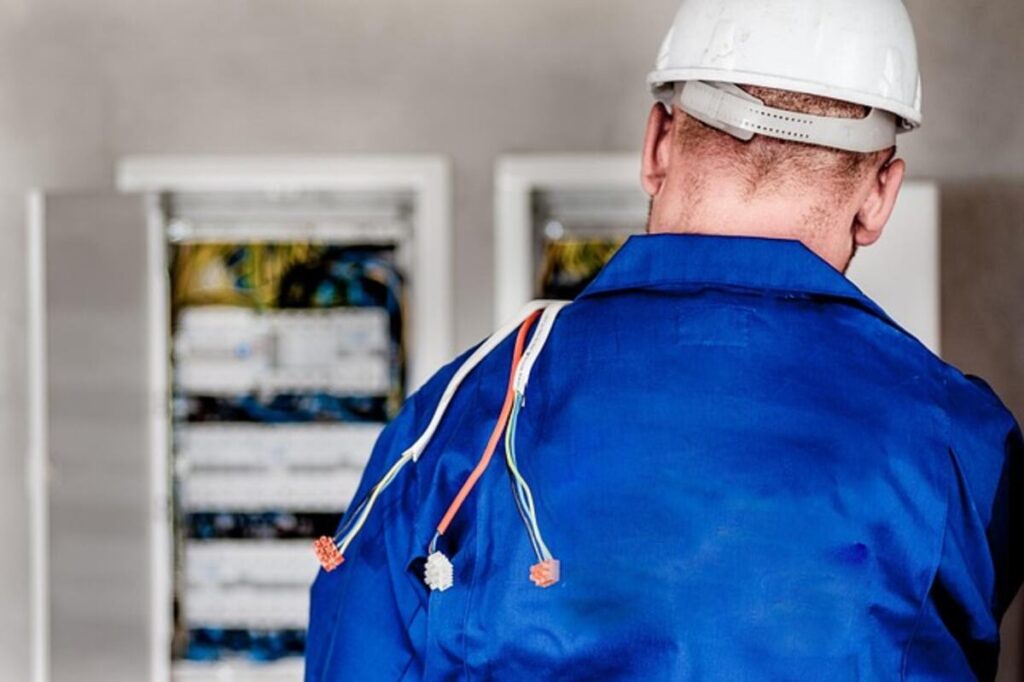
The American economy is powered by a vast network of skilled professionals, yet many of the most critical hands-on service industries are grappling with a severe and persistent skilled labor shortage.1 This crisis, which has been simmering for years, has reached a boiling point, affecting everything from home repairs to basic infrastructure. Three industries particularly hit hard are electrical services, air conditioning repair, and junk removal. While the nature of the work in each field is different, they all face common challenges: a retiring workforce, a lack of new talent entering the pipeline, and a cultural shift away from vocational trades.2 The consequences are far-reaching, leading to increased costs for consumers, longer wait times for essential services, and stifled economic growth.
Note: Gold Standard Electric is committed to quality workmanship. The Electrician West Palm Beach caters to the South Florida Market with a focus on Residential and Commercial work.
The Electrician Shortage: Powering a Growing Gap
The electrical field is in the midst of a perfect storm. It requires a highly specialized skill set, but the supply of qualified workers is not keeping pace with the soaring demand.3 The Bureau of Labor Statistics projects a need for over 80,000 new electrician jobs each year, a rate much faster than the average for all occupations.4 The primary causes of this shortage are an aging workforce and an insufficient number of new apprentices.5 As a large portion of electricians from the baby boomer generation retire, they are taking with them decades of valuable institutional knowledge that is not being replaced.6
The problem is compounded by a persistent societal bias that has historically promoted four-year college degrees over vocational training.7 This has created a bottleneck in the talent pipeline, leading to a diminished pool of candidates for apprenticeship programs. The work itself is becoming more complex, requiring electricians to stay up-to-date with a constant stream of new technologies, including:
- Renewable Energy Systems: The rise of solar, wind, and battery storage projects demands electricians with new, specialized skills.8
- Smart Technology: The integration of smart home devices and building automation systems requires electricians to have a working knowledge of IT, networking, and software.
- Electric Vehicles (EVs): The installation of EV charging stations in residential and commercial settings is a rapidly growing market that adds to the demand for skilled labor.9
The effects of this shortage are tangible for both businesses and consumers.10 Construction projects, from new homes to data centers, face costly delays.11 Homeowners may find it difficult to get timely service for a wiring issue or a panel upgrade, often having to wait for weeks.12 This high demand allows experienced electricians to command higher wages, but it also places a heavy burden on the existing workforce, leading to burnout and a further risk of attrition.
Note: Find a electrician port orange is a great way to search for a Commercial Electrician in Daytona Beach, Florida
The AC Repair Shortage: Feeling the Heat
Much like the electrical trade, the Air Conditioning, Heating, and Refrigeration (HVACR) industry is also facing a severe labor crisis.13 This is particularly felt in hot climates like Florida, where AC is not a luxury but a necessity for health and safety. The average age of an HVAC technician is well into the 40s, with a significant number nearing retirement.14 However, the demand for their services is on a continuous upward curve, driven by new construction and the need to service aging residential and commercial units.15
The skills required for AC repair are both technical and physically demanding. Technicians must be experts in thermodynamics, fluid dynamics, and a constantly evolving array of complex electronic systems. The problem is exacerbated by new environmental regulations, such as the phase-out of traditional refrigerants like R410A. This forces every AC technician to undergo new training and certification to handle the next generation of refrigerants, adding another layer of complexity to an already demanding job.
The consequences for consumers are immediate and uncomfortable. During peak summer months, when AC systems are most likely to fail, homeowners and businesses may have to endure sweltering temperatures for days while waiting for an available technician. This also leads to service monopolies, where a few companies control a large portion of the market, which can drive up repair and installation costs. The pressure to complete a large number of service calls in a short amount of time can also lead to a decline in service quality, potentially resulting in quick fixes rather than lasting solutions.
The Junk Removal Shortage: Clearing a Path to a Problem
Junk removal companies face a different, yet equally critical, kind of labor shortage. While the work may not require the same level of technical certification as an electrician or AC technician, it is physically taxing and often seen as a less desirable career path. The industry relies on a steady stream of hardworking individuals who are willing to do the heavy lifting, a type of labor that is increasingly in short supply.16 The high turnover rate in the industry suggests that many workers do not view it as a long-term career, leading to a constant need for recruitment and training.
Note: Considering cleanout services near me? ECS Estate Cleanout Services offers compassionate, efficient, and professional support for your South Florida needs. Contact us for a free estimate.
The causes of this shortage are rooted in a combination of factors:
- Physical Demands: The job involves regular heavy lifting, maneuvering bulky items, and working in various weather conditions.
- High Turnover: The nature of the work can be unappealing, leading to a high rate of employee churn.
- Competition for Labor: The junk removal industry competes for the same labor pool as warehouses, construction sites, and delivery services, all of which are also experiencing shortages and offering increasingly competitive wages and benefits.
The impact of this shortage is immediately visible to consumers. The time it takes for a junk removal company to schedule and complete a job has lengthened, leading to a backlog of unwanted items. This can be especially problematic for people who are moving, renovating, or dealing with large-scale cleanouts. For businesses, a lack of available junk removal services can disrupt operations and create an unsafe or cluttered environment. The shortage also puts pressure on existing employees, who must work longer hours and handle more strenuous tasks to keep up with demand.17
Overlapping Challenges and Future Solutions
The skilled labor shortage in these three distinct industries is not a coincidence; it’s a symptom of broader economic and cultural trends. All three fields are grappling with the same fundamental issues: a retiring generation of skilled workers, a societal narrative that has devalued vocational careers, and a competitive labor market where workers have more options than ever before.
Addressing this crisis requires a multi-faceted approach. First, there must be a concerted effort to rebrand the skilled trades and challenge the stigma associated with them. This involves highlighting the high earning potential, job security, and entrepreneurial opportunities available. Second, there needs to be a significant investment in vocational education and apprenticeship programs.18 These programs provide a direct pipeline of new talent and give young people the hands-on training and mentorship needed to succeed.19 Finally, companies themselves must adapt. They can use technology to make their existing workforce more efficient, and they can offer more competitive wages and benefits to attract and retain talent.
Ultimately, the skilled labor shortage in these industries is a critical challenge that affects every part of the economy. By proactively investing in the next generation of electricians, AC technicians, and junk removal professionals, we can ensure that these essential services remain accessible, affordable, and of the highest quality for everyone.