


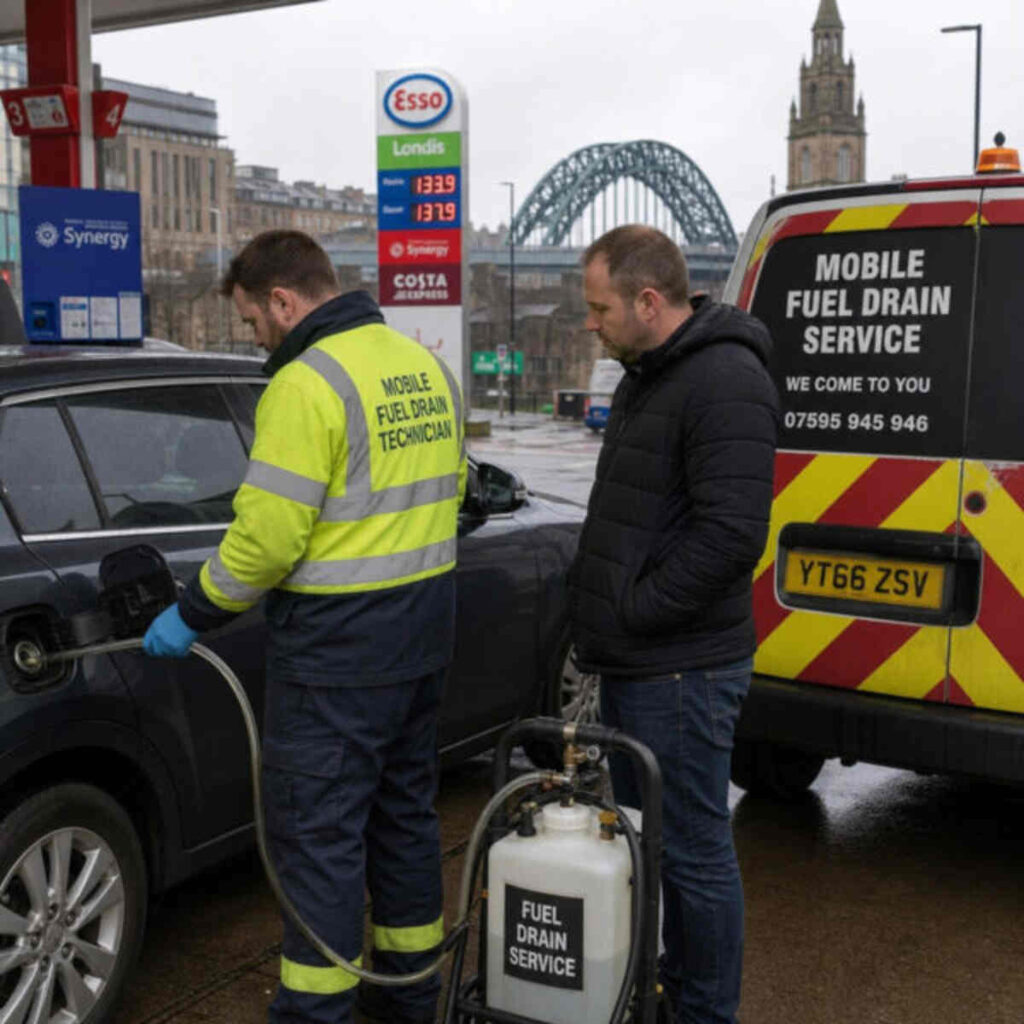
Put the wrong fuel in your car in Newcastle? Stay calm — help is available
Misfuelling is stressful, but it is also more common than most drivers think. One distracted moment at the pump, one unfamiliar hire car, one busy school run, and suddenly petrol is in a diesel tank, or diesel has gone into a petrol vehicle. If this has happened to you in Newcastle, the most important thing is simple: do not start the engine. Receive the Best information about Fuel Drain Newcastle.
A professional fuel drain service can remove the contaminated fuel, flush the system where appropriate, and help you get back on the road safely. Whether you are at a petrol station, at home, at work, or parked on the roadside, a mobile fuel drain technician can usually come to your location and resolve the issue without the need for a full garage visit.
Our local service page is here to give you the clear, practical information you need before booking help. We cover what to do immediately, how a fuel drain works, when fuel tank cleaning may be needed, what affects the price, and how to stay safe while you wait.
If you need urgent help with fuel drain Newcastle support, contact the team now for friendly advice and a clear quote before work begins.
Quick advice if you have put the wrong fuel in your vehicle
If you are reading this at the pump or sitting in your car after realising the mistake, take a breath. The next few minutes matter.
Here is what to do:
- Do not start the engine. Even turning the key or pressing the start button can circulate contaminated fuel through the system.
- Do not drive the vehicle. Driving can increase the risk of damage, especially in diesel vehicles filled with petrol.
- Move only if safe and necessary. If the vehicle is blocking a pump and has not been started, ask the station staff for help pushing it to a safe place.
- Tell the petrol station staff. They deal with this situation more often than you may think and can help keep the area safe.
- Call a fuel drain specialist. Give your location, vehicle make and model, the fuel added, the correct fuel type, and whether the engine has been started.
- Keep your receipt if possible. It can help confirm how much wrong fuel has gone into the tank.
The best-case scenario is that the wrong fuel is removed before it reaches the engine. Even if you have driven a short distance, do not panic. A technician can assess the vehicle, drain the tank, and advise on the next steps.
Local fuel drain help across Newcastle and nearby areas
When something goes wrong at the pump, you do not want vague advice or a long wait for a garage slot. You want a practical local solution. A mobile fuel drain Newcastle service is designed for exactly that: fast, on-site support for drivers who need contaminated fuel removed safely.
Depending on technician availability, assistance may be available across Newcastle upon Tyne and surrounding areas, including:
- Newcastle city centre
- Gosforth
- Jesmond
- Heaton
- Byker
- Fenham
- Benwell
- Walker
- Kenton
- Kingston Park
- Gateshead
- Wallsend
- North Shields
- Whitley Bay
- Cramlington
- Washington
- Sunderland and nearby routes where covered
Service coverage can vary by time, traffic, technician location, and job complexity. If you are unsure whether your area is covered, the simplest option is to call or send an enquiry with your postcode or nearest landmark.
What is a fuel drain service?
A fuel drain service removes incorrect or contaminated fuel from your vehicle’s tank and, where needed, cleans affected fuel lines and filters. It is usually carried out by a trained mobile technician using specialist equipment designed to handle fuel safely.
This service is often needed when:
- Petrol has been added to a diesel vehicle
- Diesel has been added to a petrol vehicle
- AdBlue has been put into the fuel tank
- Water or debris has contaminated the tank
- Old fuel needs to be removed from a stored vehicle
- A vehicle has been filled with mixed or poor-quality fuel
- A fleet vehicle has been misfuelled and needs to return to service
The aim is to remove the contamination before it causes damage or operational problems. In many cases, if the vehicle has not been started, a controlled drain and fresh fuel refill may be enough to resolve the issue. If the engine has been started or driven, a more careful inspection may be required.
Why is wrong fuel such a problem
Modern engines are efficient, precise, and sensitive. That is great when everything is working properly, but it also means they do not respond well to the wrong fuel.
Diesel and petrol behave differently. Diesel acts as both a fuel and a lubricant within parts of the fuel system. Petrol is thinner and more solvent-like, so when petrol enters a diesel system, it can reduce lubrication and increase wear. This is why petrol in a diesel car is often treated as more urgent.
Diesel in a petrol vehicle can also cause problems. Petrol engines rely on spark ignition, and diesel engines do not ignite in the same way. The vehicle may misfire, smoke, lose power, or fail to start. While the risk profile differs between petrol and diesel, it still requires proper attention.
AdBlue in a fuel tank is another serious issue. AdBlue is not a fuel additive. It belongs in a separate AdBlue tank on vehicles equipped with selective catalytic reduction systems. If it enters the fuel tank, it can crystallise and cause damage. In this case, draining and cleaning should be handled carefully.
Common misfuelling situations in Newcastle
Wrong fuel incidents tend to happen at the worst possible moments. Drivers often call after a busy commute, during a school run, while travelling for work, or on the way to an appointment.
Some common situations include:
- You normally drive a diesel van, but borrowed a petrol car
- You recently changed vehicles and filled up out of habit
- You were distracted at a busy Newcastle petrol station
- You used the wrong pump while tired or in a rush
- You are driving a hire car and are not familiar with it
- A company vehicle has been filled by multiple drivers
- A friend or family member borrowed the car and made a mistake
- You added only a small amount and are unsure whether it matters
Whatever happened, there is no judgment. The priority is to prevent further damage and make the vehicle safe to use again.
Petrol in a diesel car: what to know
Putting petrol into a diesel car is one of the most common misfuelling problems. It can be especially risky because petrol can reduce the lubricating qualities that diesel fuel provides to pumps and injectors.
If you have added petrol to a diesel vehicle and have not started the engine, you are in a much stronger position. The wrong fuel may still be contained mainly in the tank. A technician can drain the fuel, carry out checks, and add clean diesel.
If you have started or driven the vehicle, symptoms may include:
- Engine knocking or unusual noise
- Rough running
- Loss of power
- Warning lights
- Smoke from the exhaust
- Stalling
- Difficulty restarting
If any of these happen, stop as soon as it is safe. Continuing to drive can make the situation worse. A mobile technician can advise whether an on-site drain is suitable or whether further mechanical inspection is recommended.
Diesel in a petrol car: what to know
Diesel nozzles are often larger than petrol filler necks, so filling a petrol car with diesel is less common, but it still happens. If diesel enters a petrol engine, the vehicle may struggle to start or run poorly because diesel burns differently from petrol.
Signs can include:
- Misfiring
- Smoke
- Hesitation when accelerating
- Strong fuel smell
- Poor idle
- Failure to start
If you realise the mistake before starting the vehicle, do not turn the ignition on. If the vehicle has already been started, stop safely and call for advice. A drain, system flush, and fresh petrol may be required.
AdBlue in the fuel tank
AdBlue is sometimes mistaken for a fuel additive, particularly by drivers who are unfamiliar with modern diesel vehicles. It should never be added to a diesel or petrol fuel tank. AdBlue belongs in its own dedicated tank.
If AdBlue has been poured into the fuel tank:
- Do not start the vehicle
- Do not turn the ignition on if avoidable
- Do not attempt to dilute it with fuel
- Call a specialist and explain exactly what happened
AdBlue contamination may require more detailed cleaning than a standard wrong-fuel drain. The technician may recommend fuel tank cleaning, line flushing, filter replacement, or garage inspection depending on the vehicle and the amount added.
Contaminated fuel and fuel tank cleaning
Not every fuel issue comes from putting the wrong fuel in the tank. Sometimes the problem is contamination. Water, dirt, rust particles, sediment, or degraded old fuel can cause performance problems and may require fuel tank cleaning.
Fuel contamination may be suspected if you notice:
- Difficulty starting
- Engine hesitation
- Poor acceleration
- Repeated fuel filter blockage
- Rough idle
- Unusual smoke
- Fuel system warning lights
- Water contamination alerts on diesel vehicles
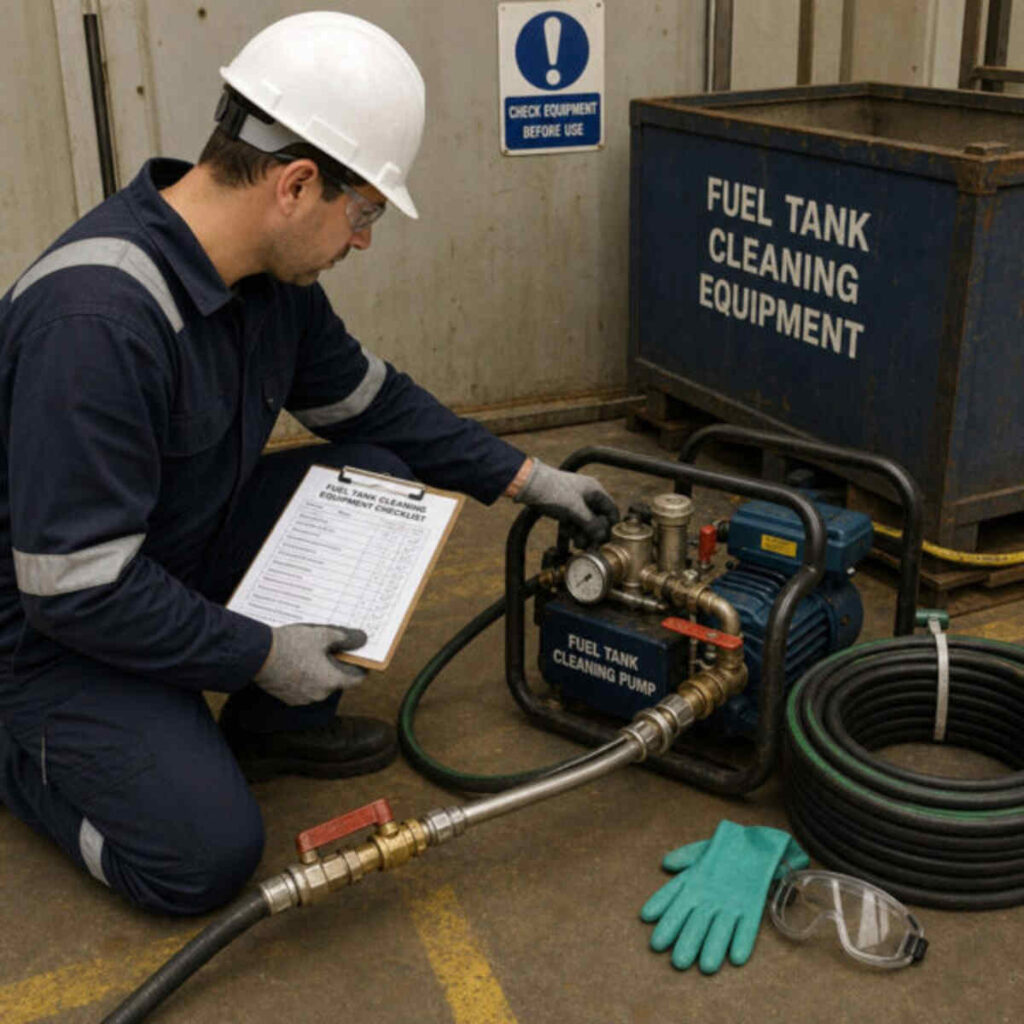
Fuel tank cleaning is a more thorough service than a basic drain. It may involve removing contaminated fuel, clearing residue, inspecting what has been removed from the tank, and advising whether filters or additional parts should be replaced.
This can be useful for:
- Cars that have been parked for a long time
- Vans or plant machinery using stored fuel
- Boats, generators, or specialist equipment where applicable
- Vehicles affected by water ingress
- Tanks with visible debris or sludge
- Repeat contamination issues
Where a full tank clean is not possible roadside, the technician can advise whether the vehicle should be moved to a workshop.
How our fuel drain process works
A good fuel drain service should feel organised, calm, and transparent. You should know what is happening and why. Here is the usual process.
1. Initial call and triage
When you contact the team, you will be asked a few key questions:
- Where are you located?
- What vehicle are you driving?
- What fuel should it take?
- What fuel did you add?
- How much wrong fuel was added?
- Was the engine started?
- Has the vehicle been driven?
- Are there any warning lights, noises, or symptoms?
This helps the technician understand the risk level and bring the right equipment.
2. Arrival and safety setup
On arrival, the technician will assess the location. Fuel work needs a safe working area, especially at petrol stations, roadside lay-bys, car parks, and residential streets.
The technician may:
- Position the service vehicle safely
- Use cones or warning signs where appropriate
- Ask you to stand away from the working area
- Confirm the fuel types involved
- Check whether the vehicle has been started
- Review any visible leaks or hazards
Safety comes first. Fuel is flammable, and the work should never be rushed or improvised.
3. Fuel removal
Specialist equipment is used to remove fuel from the tank. The exact method depends on the vehicle design, filler neck, access points, anti-siphon features, and the amount of fuel inside.
The contaminated fuel is transferred into suitable containers or onboard storage designed for this purpose. A professional service should never dump fuel, drain it onto the ground, or leave it behind for you to deal with.
4. System flush where needed
If the wrong fuel may have entered the lines or filter, the technician may carry out a flush. This helps remove remaining contaminated fuel before fresh fuel is added.
The level of flushing depends on:
- Whether the ignition was turned on
- Whether the engine was started
- How far the vehicle was driven
- The type and amount of contamination
- The vehicle’s fuel system design
5. Fresh fuel added
Once the contaminated fuel has been removed, clean fuel is added. The amount may vary. In some cases, enough fuel is added to start the vehicle and confirm it is running correctly. You may then be advised to fill up further at the nearest station.
6. Checks and restart
The technician will carry out checks before attempting to start the engine. If the vehicle starts and runs normally, you will be advised on what to monitor during the next few miles.
If there are warning lights, unusual noises, or persistent running issues, the technician may recommend further diagnostics in the garage.
7. Disposal and aftercare advice
The removed fuel must be handled responsibly. A professional technician should explain how contaminated fuel is handled and provide practical advice before leaving.
Aftercare may include:
- Driving gently for a short period
- Refuelling with the correct fuel soon after
- Watching for warning lights
- Replacing the fuel filter if recommended
- Booking further inspection if symptoms continue
What if you have already driven the vehicle?
Driving after misfuelling does not automatically mean the vehicle is ruined. However, it does increase the chance that contaminated fuel has moved through the system.
If you have driven, stop as soon as it is safe and call for help. Be clear about:
- How far did you drive
- Whether the engine cut out
- Whether warning lights appeared
- Whether the vehicle still starts
- Whether there are unusual sounds or smoke
A technician may still be able to drain and flush the system on-site. However, if there are signs of mechanical damage, the vehicle may require a garage diagnostic. A trustworthy service will not promise what cannot be known without inspection.
Can you drain the fuel tank yourself?
It may be tempting to try a DIY drain, especially if you are at home or have only added a small amount of wrong fuel. In most cases, this is not recommended.
DIY fuel draining can be dangerous because:
- Fuel is highly flammable
- Petrol vapour can ignite easily
- Incorrect containers can leak or fail
- Spilt fuel can harm the environment
- Many vehicles have anti-siphon systems
- You may not remove contaminated fuel enough
- You could damage fuel lines or fittings
- Disposal of contaminated fuel is regulated
Modern vehicles are not designed for casual roadside fuel removal. A professional fuel drain service has the equipment, safety procedures, and experience to do the job properly.
Safety and compliance: what responsible service looks like
Fuel draining is not just a mechanical job. It is also a safety and environmental task. The technician is handling flammable liquids, potentially contaminated fuel, and vehicle systems that may be under pressure.
A responsible service should focus on:
Safe working practices
Fuel should be removed using suitable equipment. The working area should be controlled to reduce the risk of ignition, spills, slips, and public exposure.
Proper containment
Fuel should be collected into appropriate containers or storage systems. It should not be allowed to run into drains, soil, waterways, or public areas.
Environmental responsibility
Contaminated fuel must be disposed of or processed through appropriate channels. You should not be left with unsafe containers or asked to pour fuel away.
Honest recommendations
If the vehicle needs more than a drain, you should be told clearly. Some cases need filter replacement, tank removal, injector checks, or workshop diagnostics.
Clear pricing
You should receive a clear estimate before work begins, with any likely extras explained. The cheapest quote is not always the safest choice if it cuts corners on disposal, equipment, or aftercare.
When fuel tank cleaning is recommended
Fuel tank cleaning may be recommended when a standard drain is not enough. This is usually because the contamination is not simply a mix of petrol and diesel, or because residue remains in the tank.
Common reasons include:
- AdBlue contamination
- Water in the fuel tank
- Dirt, grit, or sediment
- Rust flakes or sludge
- Old fuel that has degraded
- Biological growth in diesel tanks
- Repeated fuel filter issues
- Unknown contamination
A technician will usually assess the fuel removed from the vehicle. If it appears cloudy, layered, dirty, watery, or unusually coloured, cleaning may be discussed.
The goal is to reduce the risk of contamination being drawn back into the engine after draining. In some vehicles, access limitations mean a full internal clean may require workshop support. If so, you should be told before unnecessary work is attempted.
Why choose a mobile fuel drain service in Newcastle?
A mobile service is built around convenience and urgency. You do not always need to arrange recovery, wait for a garage appointment, or risk moving the vehicle.
Benefits include:
- Help at your location where safe and accessible
- Reduced need for vehicle recovery
- Faster response than many workshop bookings
- Practical advice before anyone starts work
- Suitable equipment brought to you
- Support for cars, vans, and light commercial vehicles was covered
- Clear next steps if further repairs are required
For drivers in Newcastle, this can be especially useful if the vehicle is stuck at a filling station, a supermarket car park, a workplace, university accommodation, a hotel, or a residential street.
Vehicles we can usually help with
Fuel drain requirements vary by vehicle, but a mobile technician can often assist with many common cars and light commercial vehicles.
Typical vehicle types include:
- Family cars
- Company cars
- Taxis and private hire vehicles
- Vans
- Light commercial vehicles
- 4x4s
- Motorhomes were accessible
- Fleet vehicles
- Hire cars
Some specialist vehicles, heavy goods vehicles, plant machinery, marine craft, or vehicles with unusual tank access may need additional planning. If your vehicle is not a standard car or van, mention this during the first call.
Fuel drain for business fleets
Misfuelling can be costly for businesses, not only due to the vehicle issue but also due to downtime. A van stuck at a pump can delay deliveries, appointments, site visits, or customer commitments.
A local fuel drain service can support businesses by helping to get vehicles moving again where safe and practical. This may be useful for:
- Tradespeople
- Couriers
- Sales teams
- Facilities companies
- Care providers
- Taxi and private hire operators
- Local authorities and contractors
- Rental and courtesy car users
For fleet managers, it helps to have a simple process for drivers:
- Stop immediately.
- Do not start the engine.
- Report the location and fuel type.
- Call the approved support contact.
- Wait for professional assistance.
Clear driver guidance can reduce damage, downtime, and unnecessary recovery costs.
Pricing factors for fuel drain Newcastle services
Fuel drain pricing can vary because each job is different. A vehicle that has not been started and is parked safely at a petrol station may be simpler than one that has been driven, has a full tank, or contains AdBlue.
Common pricing factors include:
Your location
The distance to your vehicle and the time needed to reach you can affect the cost. Jobs in central Newcastle may differ from callouts further outside the city or in harder-to-access locations.
Time of day
Evening, weekend, bank holiday, or out-of-hours callouts may cost more where emergency cover is available.
Vehicle type
Some vehicles are easier to access than others. Anti-siphon devices, tank design, underbody panels, or specialist fuel systems can affect the time required.
Amount of fuel in the tank
A nearly full tank takes longer to drain than a small amount of contaminated fuel. The amount removed also affects storage and disposal requirements.
Type of contamination
Petrol in diesel, diesel in petrol, AdBlue contamination, water, sludge, or unknown contamination can all require different levels of work.
Whether the engine was started
If the engine has not been started, the job may be more straightforward. If contaminated fuel has circulated, flushing and extra checks may be needed.
Additional parts or services
Some jobs may require a fuel filter replacement, extra-clean fuel, deeper tank cleaning, or workshop diagnostics. These should be explained before being added.
A fair service will, where possible, explain the likely cost before attendance and confirm any changes before carrying out additional work.
How to get the fastest quote
When you call, have these details ready if you can:
- Your exact location or postcode
- Vehicle make, model, and year if known
- Registration number if useful for identifying the vehicle
- Correct fuel type
- Wrong fuel added
- Approximate amount added
- Current fuel level before the mistake
- Whether the engine has been started
- Whether the vehicle has been driven
- Any warning lights or symptoms
- Whether you are in a safe place
Do not worry if you do not know everything. A good technician will talk you through it.
What not to do after misfuelling
People often try to fix the problem quickly because they feel embarrassed or want to avoid a delay. Unfortunately, the wrong quick fix can create more trouble.
Avoid the following:
- Do not start the engine to “see if it runs”
- Do not drive to a garage unless advised it is safe
- Do not keep topping up with the correct fuel without advice
- Do not try to siphon fuel by mouth or with unsuitable tools
- Do not pour contaminated fuel into drains or onto the ground
- Do not ignore warning lights after the vehicle restarts
- Do not assume a small amount is always harmless
- Do not accept unsafe roadside work from an unprepared operator
The safest move is to stop, call, and get guidance based on your specific vehicle and situation.
Small amount of wrong fuel: does it still matter?
Sometimes drivers realise they added only a small amount of the wrong fuel. They may wonder whether they can simply fill the rest of the tank with the correct fuel and continue.
The answer depends on several factors:
- The vehicle type
- The amount of wrong fuel
- The amount of correct fuel already in the tank
- Whether the vehicle is petrol or diesel
- The age and design of the fuel system
- Whether the engine has been started
- Manufacturer guidance
Modern diesel vehicles can be particularly sensitive, so it is better to ask before taking a chance. A short phone call may prevent a much more expensive repair.
Why a professional assessment matters
Every wrong fuel incident has its own risk level. Two drivers can make the same basic mistake but require different solutions because their vehicles, fuel levels, and actions after refuelling differ.
A professional assessment helps answer questions such as:
- Is an on-site fuel drain suitable?
- Does the tank need a deeper clean?
- Has the fuel reached the engine?
- Should the fuel filter be changed?
- Is recovery to a garage safer?
- Is it safe to restart the vehicle?
- What should the driver monitor afterwards?
This is where experience matters. The goal is not simply to remove fuel; it is to reduce the chance of further problems.
Local knowledge helps when you are stuck
Newcastle has busy roads, tight city-centre streets, shopping areas, residential zones, industrial estates, and major routes in and out of the city. A local mobile technician understands that the setting affects the job.
A vehicle stuck at a supermarket pump is different from a vehicle parked on a sloped residential street. A van at a business park is different from a car in a multi-storey car park. Safe access matters.
When you call, describe the location clearly. Mention if you are:
- At a petrol station pump
- In a car park
- On a roadside
- In a multi-storey or underground car park
- At home on a driveway
- On a workplace site
- In a restricted-access area
- Blocking traffic or a fuel pump
This helps the technician plan the safest response.
What happens to the drained fuel?
Contaminated fuel cannot simply be reused in your vehicle. It may contain the wrong fuel mix, dirt, water, AdBlue, or other contaminants. It must be handled carefully.
A professional service should remove the contaminated fuel from the site and manage it responsibly. This protects you, the public, the petrol station, and the environment.
If anyone suggests pouring fuel away, leaving it in open containers, or transferring it into unsuitable storage, that is a warning sign. Safe containment and responsible disposal are part of the service.
After the fuel drain: what should you expect?
After the drain and refill, the technician may start the vehicle and let it run while checks are performed. If all seems normal, you may be advised to drive carefully and fill the tank further with the correct fuel.
You should monitor for:
- Warning lights
- Rough running
- Difficulty starting
- Loss of power
- Smoke
- Strong fuel smell
- Unusual noises
If anything feels wrong, stop safely and seek further advice. In many cases, especially when the engine was not started before the drain, the vehicle can return to normal use. However, no responsible technician should guarantee there is no damage if contaminated fuel has already circulated.
Signs you may need garage diagnostics
A fuel drain is often enough, but not always. Further diagnostics may be recommended if:
- The vehicle was driven until it stopped
- The engine will not restart after draining
- Warning lights remain on
- There is persistent rough running
- There are fuel pressure faults
- The fuel filter is heavily contaminated
- AdBlue or water entered the fuel system
- There are signs of pump or injector damage
This does not mean the mobile service has failed. It means the contamination may have affected components that need workshop-level testing or replacement.
Fuel drain service for petrol stations and forecourts
Petrol stations are among the most common places for wrong-fuel calls. If your vehicle is still by the pump, the situation needs to be managed safely and considerately.
Forecourt safety tips:
- Tell staff immediately
- Do not smoke or vape near the vehicle
- Do not use unsafe containers
- Avoid repeated ignition attempts
- Move away from active traffic areas if safe
- Follow staff instructions
- Wait for a qualified technician
If the vehicle cannot be moved, station staff may ask for it to be pushed to a safer area. Only do this if the vehicle has not been started and it is safe to push.
Emergency roadside situations
If you realise the issue after leaving the petrol station, your first priority is road safety. Do not stop suddenly or in a dangerous position.
If symptoms appear while driving:
- Signal and move to a safe location if possible.
- Turn off the engine.
- Put hazard lights on if appropriate.
- Stand away from traffic.
- Call for assistance.
- Do not restart the engine repeatedly.
If you are on a fast road, in a live traffic lane, or in a dangerous location, emergency recovery or police assistance may be needed before any fuel work can be carried out. A technician can only work where it is safe and legal to do so.
How to reduce the risk of misfuelling in future
Once the immediate problem is solved, it is worth taking a few simple steps to reduce the chance of it happening again.
Helpful habits include:
- Pause before lifting the nozzle
- Read the label on the inside of the fuel flap
- Use a reminder sticker near the fuel cap
- Add the correct fuel type to your phone notes
- Brief anyone who borrows the vehicle
- Take extra care when switching between vehicles
- Avoid filling up while distracted or on a phone call
- Keep fleet fuel cards clearly assigned
- Consider a misfuelling prevention device where suitable
A few seconds of checking can save a lot of hassle.
Why clear communication matters
A wrong fuel incident can make drivers feel embarrassed, anxious, or rushed. The best service providers understand this. You should be spoken to clearly, not blamed or pressured.
Good communication includes:
- Explaining what will happen next
- Giving realistic arrival guidance where possible
- Confirming costs before work begins
- Telling you if the vehicle is not safe to start
- Explaining any recommended extras
- Being honest about risks if the vehicle was driven
- Giving simple aftercare advice
You should feel informed throughout the process.
What makes a good fuel drain company?
When choosing a local provider, look beyond the first price you hear. Fuel is hazardous, and your vehicle may be valuable. Choose a service that takes the work seriously.
Useful signs include:
- Clear questions during the first call
- No pressure to start or drive the vehicle
- Proper fuel handling equipment
- Safe working approach
- Transparent pricing
- Knowledge of petrol, diesel, AdBlue, and contamination issues
- Willingness to explain the process
- Responsible disposal arrangements
- Honest advice if a garage is needed
A reliable provider will focus on solving the problem safely, not just arriving quickly.
The difference between recovery and fuel drain support
Some drivers call a recovery company first, which can be helpful in certain situations. But if the vehicle is safely parked and the issue is simply wrong fuel in the tank, a mobile fuel drain may avoid the need for towing.
Recovery may be needed if:
- The vehicle is in a dangerous location
- The engine has failed and will not restart
- There is suspected mechanical damage
- The vehicle cannot be accessed safely
- Workshop repairs are required
A fuel drain service may be suitable if:
- The vehicle is safely accessible
- The main issue is wrong or contaminated fuel
- The tank can be drained on site
- The technician can work safely at the location
- No major mechanical fault is obvious
If you are unsure, call and explain the situation. You can then be advised on the safest option.
Newcastle drivers: common places where help may be needed
Fuel drain calls can happen almost anywhere. Drivers may need help near commuter routes, supermarkets, service stations, business parks, hospitals, universities, residential areas, and retail parks.
When booking, give the most practical location details you can. For example:
- The petrol station name
- Road name
- Nearest junction
- Car park level
- Bay number if relevant
- Workplace entrance instructions
- Any access restrictions
- Whether the vehicle is blocking a pump or entrance
This reduces delays and helps the technician find you quickly.
A calm, practical service when you need it most
Misfuelling can feel like a major crisis, but in many cases it can be dealt with efficiently when the right steps are taken early. The key is to avoid making the situation worse. Do not start the vehicle, do not drive, and do not attempt unsafe DIY draining.
A professional fuel drain service can remove the contaminated fuel, advise on fuel tank cleaning if needed, and help you understand whether the vehicle is safe to restart. For drivers looking for fuel drain Newcastle support, the best next step is to call with your location and vehicle details.
You do not need to know the technical answer before calling. Just explain what happened, where you are, and whether the engine has been started. The technician can guide you from there.
Book fuel drain help in Newcastle
If you have put the wrong fuel in your car, van, or fleet vehicle, act now.
Call for immediate advice and a clear quote.
When you get in touch, the team can help you understand:
- Whether you should keep the engine off
- Whether an on-site drain is suitable
- How quickly help may be available
- What the likely process involves
- What pricing factors apply
- Whether fuel tank cleaning may be needed
- What to do while you wait
If you are at a petrol station, tell staff and remain in a safe area. If you are on the roadside, prioritise your safety. Then contact the fuel drain team for support.
Frequently asked questions
What should I do first if I put the wrong fuel in my car?
Do not start the engine. If the engine is already running, turn it off as soon as it is safe to do so. Tell petrol station staff if you are on a forecourt, move away from hazards, and call a professional fuel drain service for advice.
Can I drive after putting petrol in a diesel car?
It is not recommended. Petrol in a diesel vehicle can reduce lubrication in the fuel system and may increase the risk of damage. Even if the car seems to run, you should stop and seek professional advice.
Can I drive after putting diesel in a petrol car?
You should avoid driving. Diesel in a petrol engine can cause misfiring, smoke, poor running, or failure to start. A drain and flush may be required before the vehicle is used again.
What if I only added a small amount of wrong fuel?
A small amount may still matter, especially in modern diesel vehicles. The safest option is to call for advice before starting or driving. The right answer depends on the vehicle, fuel type, and quantity added.
How long does a fuel drain take?
The time required depends on the vehicle, fuel quantity, access, contamination type, and whether the engine has been started. A straightforward drain may be quicker than a job requiring flushing, cleaning, or additional checks.
Do you offer fuel tank cleaning?
Fuel tank cleaning may be available or recommended, depending on the level of contamination. It is often considered for AdBlue, water, sludge, dirt, old fuel, or repeated contamination issues. Some deep-cleaning jobs may require access to a workshop.
Will a fuel drain fix my car completely?
If the vehicle has not been started, draining the fuel and refilling it often resolve the issue. If the engine has been started or driven, there may be a higher risk of fuel system damage. The technician can advise based on symptoms and checks.
What happens to the contaminated fuel?
It should be removed safely and handled through responsible disposal or processing routes. It should not be poured down the drain, left in unsafe containers, or allowed to enter drains or soil.
Is it safe to drain fuel at a petrol station?
It can be done only when the working area is safe and proper procedures are followed. The technician will assess the location, manage the work area, and follow safety precautions. Petrol station staff should be informed.
Can you help if my car is in a multi-storey car park?
Possibly, but it depends on access, height restrictions, ventilation, safety, and the equipment required. When you call, explain the car park location and any restrictions so the technician can advise.
Do I need recovery instead of a fuel drain?
Recovery may be needed if the vehicle is in a dangerous location, has been driven until it stopped, has suspected mechanical damage, or cannot be accessed safely. If the vehicle is safely parked and suitable for on-site work, a mobile fuel drain may be enough.
How much does a fuel drain in Newcastle cost?
The cost depends on your location, vehicle type, fuel volume, contamination type, time of callout, and whether extra flushing or cleaning is needed. Contact the team with your details for a clear quote before work begins.
Can you help with vans and business vehicles?
Many mobile fuel drain services can help with vans and light commercial vehicles where access and safety allow. Fleet and business drivers should provide vehicle details, fuel type, location, and whether the engine has been started.
Should I replace my fuel filter after misfuelling?
Sometimes it is recommended, especially if the engine has been started, the vehicle has been driven, or the contamination is severe. The technician can advise whether replacing the filter is sensible for your situation.
What if AdBlue went into my diesel tank?
Do not start the vehicle. AdBlue in the fuel tank can cause serious contamination and may require draining, cleaning, flushing, and further inspection. Call a specialist and explain that AdBlue was added to the fuel tank.
Ready for help? Call now
Wrong fuel is inconvenient, but it does not have to ruin your day. The sooner you stop and get advice, the better your chances of avoiding further problems.
For local fuel drain assistance in Newcastle, contact the team now. Share your location, vehicle details, and what fuel was added. You will receive practical guidance, a clear explanation of the next steps, and a quote based on your situation.
Do not start. Do not drive. Call for fuel drain help now.