


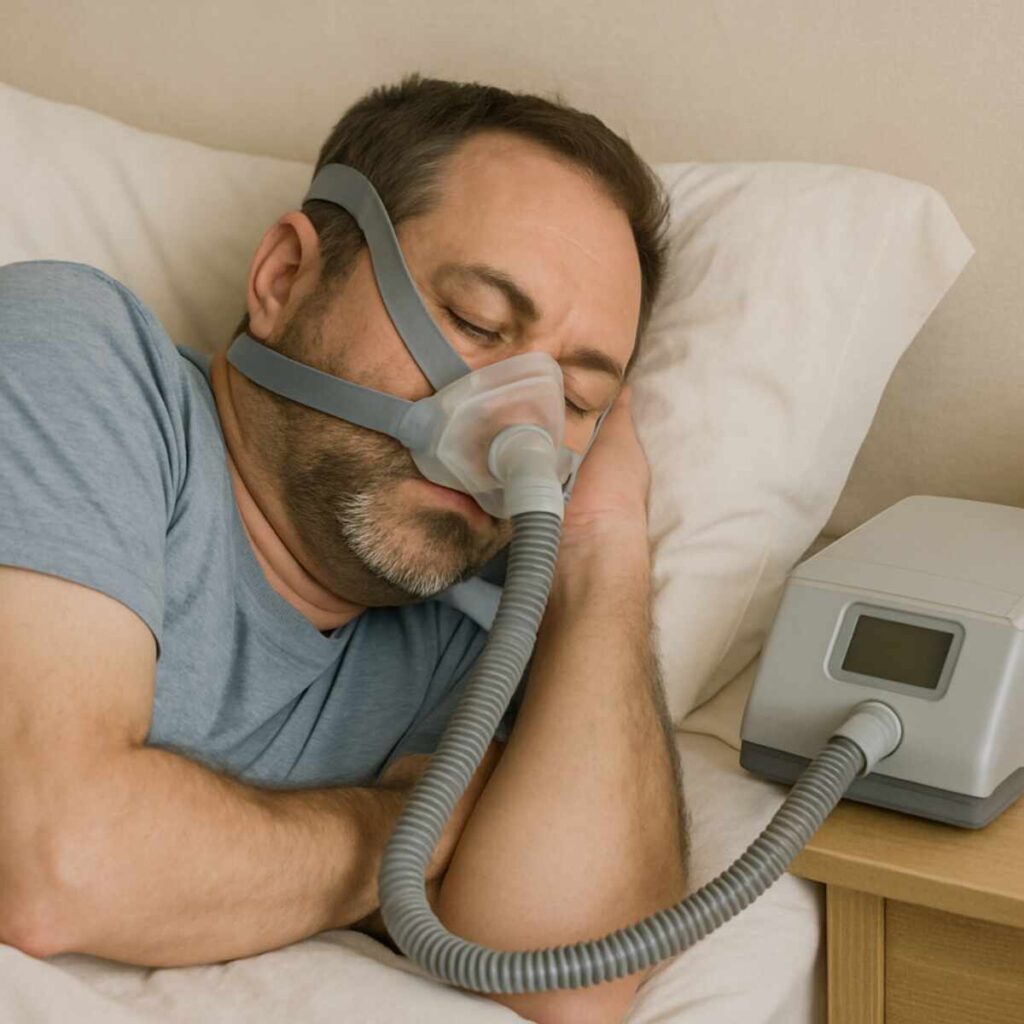
Breathing machines, particularly Continuous Positive Airway Pressure (CPAP) machines, have revolutionized the way we manage sleep apnea. For those grappling with this condition, understanding the role of these machines in enhancing life quality is essential. In this comprehensive article, we will delve into how using a breathing machine for sleep apnea can transform your sleep and overall health, offering a pathway to improved well-being. Find out the best info about 睡眠呼吸機.
Sleep apnea is a common yet serious sleep disorder where breathing repeatedly halts and resumes. This disruption in normal breathing patterns leads to poor sleep quality and can contribute to daytime fatigue, among other health complications. The disorder primarily manifests in two forms: obstructive sleep apnea (OSA) and central sleep apnea.
Understanding Obstructive Sleep Apnea (OSA)
OSA is the more prevalent variant of sleep apnea. It occurs when the throat muscles relax excessively, blocking the airway during sleep. This obstruction can lead to frequent awakenings throughout the night as the body struggles to resume normal breathing. Over time, these interruptions can severely impact the quality of sleep, leaving individuals feeling unrested despite spending sufficient time in bed.
Central Sleep Apnea Explained
Central sleep apnea, while less common, involves a different mechanism. It occurs when the brain fails to send appropriate signals to the muscles that control breathing. Unlike OSA, there is no physical blockage of the airway, but the result is the same: disrupted sleep and its associated health issues. Understanding the type of sleep apnea you have is crucial, as it influences the treatment approach.
The Impact on Daily Life
The implications of untreated sleep apnea are far-reaching. Beyond chronic fatigue, it can exacerbate health problems such as hypertension, heart disease, and metabolic disorders. Day-to-day functioning can be significantly impaired, affecting productivity, mood, and even safety, particularly if you operate machinery or drive. Recognizing these impacts underscores the importance of addressing sleep apnea effectively.
How Does a CPAP Machine Work?
Understanding the Basics
A CPAP machine operates by delivering a continuous stream of air via a mask, ensuring your airways remain open throughout the night. This steady airflow prevents the collapse of the airway, a common cause of breathing interruptions in sleep apnea. By maintaining airway patency, CPAP machines facilitate uninterrupted sleep cycles, crucial for restorative sleep.
The Mechanics of CPAP Machines
CPAP machines are designed with simplicity and efficiency in mind. They consist of a motor that generates air pressure, a hose that delivers the air, and a mask that fits over the nose or mouth. The machine’s settings can be adjusted to provide optimal pressure, tailored to the user’s specific needs. This customization is key to maximizing comfort and effectiveness.
Easy to Use

For newcomers, using a CPAP machine might initially seem intimidating. However, the learning curve is generally short, and most users find the process straightforward. The setup involves fitting the mask securely, adjusting the straps for a snug but comfortable fit, and activating the machine. Many models feature intuitive interfaces and customizable settings to enhance user experience.
Overcoming Initial Challenges
While the concept is simple, adapting to a CPAP machine can present challenges. Users may need time to get used to wearing a mask during sleep. Common initial hurdles include mask discomfort, nasal congestion, or air leaks. Fortunately, most issues can be resolved with minor adjustments or by trying different mask styles, ensuring a smooth transition to effective therapy.
Ensuring Consistency
Consistency in using a CPAP machine is vital for reaping its full benefits. Regular use not only improves sleep quality but also helps the user acclimate to the device. Establishing a routine and making the machine an integral part of your bedtime ritual can enhance compliance and long-term success in managing sleep apnea.
Benefits of Using a Breathing Machine for Sleep Apnea
Improved Sleep Quality
One of the most significant advantages of using a CPAP machine is enhanced sleep quality. By preventing breathing interruptions, users can experience a full night of restful sleep. This uninterrupted rest not only boosts energy levels during the day but also positively influences mood and cognitive function, leading to a more productive and fulfilling life.
Deepening Sleep Cycles
CPAP therapy enables the body to progress through all sleep stages, including the crucial REM stage. This deep sleep is where most restorative processes occur, contributing to physical and mental rejuvenation. With regular CPAP use, the likelihood of achieving these deep sleep cycles increases, providing long-term health benefits.
Night and Day Difference
Users often report feeling a night-and-day difference after beginning CPAP therapy. The improvement in sleep quality translates to better performance at work, more enthusiasm for daily activities, and an overall enhanced quality of life. The change is often so profound that many wonder how they managed without it.
Long-term Health Outcomes
Sustained use of CPAP not only improves immediate sleep quality but also contributes to better long-term health outcomes. By ensuring consistent, restful sleep, CPAP therapy helps prevent the cascade of health issues associated with untreated sleep apnea, promoting longevity and well-being.
Healthier Heart
Sleep apnea has been closely linked to cardiovascular issues, including hypertension and heart disease. Utilizing a CPAP machine significantly mitigates these risks. By maintaining steady breathing and oxygen levels during sleep, CPAP therapy supports heart health, reducing the strain on the cardiovascular system and lowering the incidence of related health problems.
Blood Pressure Regulation
CPAP therapy plays a critical role in regulating blood pressure. Individuals with sleep apnea often experience nocturnal hypertension due to interrupted breathing. By stabilizing breathing patterns, CPAP use helps normalize blood pressure levels, offering protection against heart disease and stroke.
Enhancing Cardiac Function
Regular use of a CPAP machine can enhance cardiac function by reducing the workload on the heart. By ensuring continuous oxygenation and reducing apneic events, CPAP helps maintain a stable heart rate and rhythm, contributing to overall cardiovascular health.
Preventing Heart Disease
By addressing sleep apnea, CPAP therapy acts as a preventive measure against heart disease. The consistent airflow prevents the oxygen desaturation episodes that can lead to cardiac stress, thereby reducing the likelihood of developing heart-related conditions over time.
Reduced Risk of Stroke
Research indicates that untreated sleep apnea significantly elevates the risk of stroke. Through effective management with a breathing machine, this risk can be substantially decreased, providing users with peace of mind and a healthier future outlook.
Understanding the Connection
The link between sleep apnea and stroke is well-documented. The repeated cessation of breathing can lead to fluctuations in blood pressure and reduced oxygen supply to the brain, increasing stroke risk. CPAP therapy mitigates these risks by ensuring a steady flow of oxygen throughout sleep.
Stroke Prevention Strategies
Incorporating CPAP therapy into a comprehensive stroke prevention strategy can be highly effective. Alongside lifestyle modifications and medical management, CPAP use can play a pivotal role in maintaining vascular health and preventing cerebrovascular accidents.
Long-term Protection
Consistent CPAP use offers long-term protection against stroke by maintaining optimal cardiovascular and cerebrovascular function. By prioritizing CPAP therapy, users can significantly reduce their stroke risk and enjoy a safer, healthier life.
Enhanced Daytime Alertness
Persistent grogginess and fatigue during the day are common complaints among sleep apnea sufferers. CPAP machines can alleviate these symptoms by improving sleep quality, leading to increased alertness and productivity. This enhancement is particularly beneficial for individuals who need to maintain high levels of focus and concentration in their daily activities.
Boosting Energy Levels
With improved sleep quality comes increased energy levels. CPAP therapy helps users wake up feeling refreshed and ready to tackle the day’s challenges. The boost in energy can enhance performance in both professional and personal spheres, contributing to a more fulfilling life.
Improving Cognitive Function
Enhanced alertness is closely linked to better cognitive function. By reducing sleep fragmentation, CPAP therapy supports memory, attention, and decision-making processes. This cognitive boost can have a profound impact on professional success and personal satisfaction.
Supporting Safe Activities
For individuals in safety-sensitive roles, such as drivers or machine operators, the alertness provided by CPAP therapy is crucial. Improved focus and reaction times can prevent accidents and ensure safety, underscoring the importance of consistent CPAP use.
Better Mental Health
The correlation between poor sleep and mental health issues such as anxiety and depression is well-established. By enhancing sleep quality with a CPAP machine, users may experience notable improvements in mental health, feeling more balanced and less stressed in their daily lives.
Alleviating Anxiety and Depression
CPAP therapy can significantly alleviate symptoms of anxiety and depression. Promoting restorative sleep helps stabilize mood and emotional well-being. Users often report feeling more positive and resilient, making it easier to cope with life’s challenges.
Enhancing Emotional Resilience
A good night’s sleep is foundational to emotional resilience. CPAP therapy ensures that users get the quality rest needed to handle stress and adversity effectively. This improved emotional stability can enhance relationships and overall life satisfaction.
Promoting Psychological Well-being
The psychological benefits of CPAP therapy extend beyond mood stabilization. By supporting deep, restorative sleep, CPAP use can enhance overall psychological well-being, contributing to a happier, more fulfilling life.
Making CPAP a Part of Your Routine
Getting Comfortable
Adjusting to a CPAP machine can take time, but with patience, it becomes a natural part of your sleep routine. Start by wearing the mask for short periods while awake to acclimate to its feel. Gradually increase usage during sleep, allowing your body to adapt at its own pace.
Embracing the Adjustment Period
The adjustment period is an essential phase in CPAP therapy. It’s normal to experience some discomfort initially, but persistence is key. Over time, most users find that the benefits far outweigh any temporary inconvenience, leading to a more restful and rejuvenating sleep experience.
Tips for Comfort
To enhance comfort, consider experimenting with different mask styles and sizes until you find the perfect fit. Using CPAP-specific pillows and humidifiers can also alleviate common issues like mask pressure or nasal dryness, making the transition smoother.
Building a Routine
Incorporating CPAP into your nightly routine can enhance compliance and effectiveness. Set up your machine in a convenient location, and establish a pre-bedtime ritual that includes fitting your mask. Consistency will help make CPAP use second nature.
Regular Maintenance
Keeping your CPAP machine clean and well-maintained is crucial to its effectiveness. Regularly inspect the mask, hose, and filters for signs of wear or damage. Proper maintenance not only ensures optimal performance but also extends the lifespan of your equipment.
Cleaning and Sanitation
Regular cleaning of your CPAP equipment is essential to prevent bacterial growth and ensure hygienic operation. Follow the manufacturer’s instructions for cleaning the mask, hose, and humidifier chamber, and replace filters as recommended. Maintaining a clean machine contributes to a healthy sleep environment.
Equipment Inspection
Routine inspections can identify potential issues before they become significant problems. Check for air leaks, cracks, or wear in the tubing and mask components. Addressing minor issues promptly can prevent disruptions in therapy and ensure consistent performance.
Upgrading Components
Over time, CPAP components may need replacement due to wear and tear. Stay informed about the condition of your equipment and replace parts as necessary. Upgrading components can enhance comfort and effectiveness, providing a better overall therapy experience.
Consult Your Healthcare Provider
Working closely with your healthcare provider is essential to ensure your CPAP machine settings are optimized for your needs. Regular check-ins can address any concerns and make necessary adjustments, ensuring your therapy remains effective and comfortable.
Collaborative Care
Engage in open communication with your healthcare provider to optimize CPAP therapy. Share your experiences, concerns, and progress to make informed decisions about your treatment plan. A collaborative approach enhances the likelihood of successful outcomes.
Personalized Adjustments
Your healthcare provider can assist in tailoring CPAP settings to suit your unique requirements. Whether adjusting air pressure, humidity levels, or mask fit, personalized adjustments can significantly enhance comfort and therapy effectiveness.
Ongoing Monitoring
Regular follow-ups with your healthcare provider ensure that your CPAP therapy continues to meet your needs. Ongoing monitoring allows for timely interventions if issues arise, ensuring that your treatment remains on track for optimal results.
Tips for Success with CPAP
- Consistency is Key: Use your CPAP machine every night to experience the full benefits. Regular use is crucial for achieving and maintaining improved sleep quality and health outcomes.
- Customize Your Setup: Adjust the mask and machine settings to find what works best for you. Personalization enhances comfort and efficacy, making therapy more enjoyable and sustainable.
- Stay Informed: Educate yourself about sleep apnea and CPAP machines to make informed decisions about your treatment. Knowledge empowers you to take control of your health and optimize your therapy experience.
Conclusion
Using a breathing machine for sleep apnea can significantly enhance your quality of life. From improved sleep and heart health to increased daytime alertness and mental well-being, the benefits are substantial. By integrating a CPAP machine into your routine and collaborating closely with your healthcare provider, you can effectively manage your sleep apnea and enjoy a healthier, more energized life. Remember, consistency and adaptability are key to making this new part of your bedtime routine work for you.
If you’re just starting with a CPAP machine, be patient with yourself. It might take time to get used to, but the results are well worth the effort. Sweet dreams, and here’s to better sleep for a brighter day!